


About Us
Natanel (Nir) Saar, R.Ac, NLP Master Practitioner
I believe that effective healing happens when acupuncture treatment is as gentle as it is effective.
With over 17 years of clinical experience, I specialize in a constitutional approach to acupuncture. By combining precise assessment with ultra-fine needles, I help calm an overworked nervous system while addressing the underlying causes of pain and structural conditions.
I use constitutional acupuncture to balance the body's internal organ systems, creating a grounded physical foundation that supports the body's natural ability to heal.
For clients seeking support beyond physical symptoms, I offer an integrated approach that combines acupuncture with Neuro-Linguistic Programming (NLP).
This allows me to address both the physical and emotional aspects of healing.
I provide a safe, compassionate, and non-judgmental space where clients can gently process emotional experiences, reframe limiting patterns, resolve long-standing emotional triggers, and develop greater resilience and balance.
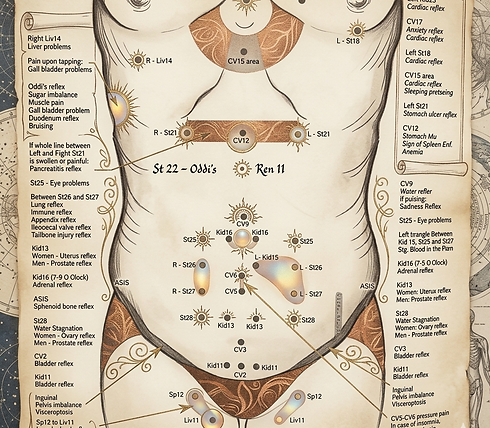
Japanese Acupuncture Reflex Map that can show us which bodily Internal Systems needs balancing
Common Medical Causes of Lower Back Pain
-
Mechanical & Soft Tissue Injuries
-
Structural & Disc Pathologies
-
Inflammatory & Systemic Conditions (Chronic issues affecting the joints and bones)
-
Underlying & Non-Spinal Causes (Referred pain originating outside the spine)
Important Note: Immediate medical care is required if lower back pain is accompanied by "red flag" symptoms such as loss of bowel/bladder control, numbness in the groin, progressive leg weakness, fever, or unexplained weight loss.
When Is Acupuncture Most Effective for Lower Back Pain?
Acupuncture can be beneficial for both acute and chronic lower back pain, especially when combined with an individualized treatment plan.
Chronic Lower Back Pain
Acupuncture is particularly effective for persistent, non-specific lower back pain related to muscle tension, poor movement patterns, or nervous system sensitization.
Acute Back Pain
Early treatment may help reduce pain, relax protective muscle spasms, improve circulation, and support the body's natural healing process.
Combined with Rehabilitation
Acupuncture works well alongside:
-
Physical therapy
-
Strengthening and rehabilitation exercises
-
Stretching and mobility programs
Reducing pain can make it easier to move comfortably and regain strength.
Stress-Related Back Pain
When stress, anxiety, poor sleep, or emotional tension contribute to back pain, acupuncture can help regulate the nervous system, reduce muscle tension, and support relaxation.
Consistent Treatment
While some people notice improvement after one session, the best results are often achieved through a course of treatment, allowing the effects to build over time.
We Can Help
Whether your back pain is recent or long-standing, our goal is to identify the underlying factors contributing to your symptoms and create a personalized treatment plan to support lasting recovery.
Acupuncture Treatment Approach
Acute Lower Back Pain
Under 6 weeks
Acupuncture treats acute lower back pain by addressing both the physical site of injury and the underlying internal dynamics. The treatment approach targets four key areas:
-
Strengthen the Constitution: Rooted in Five Element principles, this important stage supports your core vitality, correcting foundational imbalances to prevent future recurrence and supporting the capacity of your body to heal and be nourished.
-
Release Muscle Tension: Relaxes tight, spasming muscles and restores smooth circulation and mobility to the local tissue.
-
Calm the Nervous System: Shifts the body out of a stressed, sympathetic "fight-or-flight" state, creating the optimal internal environment for physical healing.
-
Harmonize Strong Emotions: Releases locked-in emotional stress that can amplify physical pain and cause the body to guard itself.
If there are underlying background health conditions or disc herniating, additional support may be needed and
combining therapy with other modalities - such as Physio Therapy, Osteopathy, Medical Imaging and Medical intervention.
Chronic Back Pain
Greater than 12 weeks
Removing the Barriers to Healing
To truly heal, we must look beyond physical symptoms and address the root blockages preventing recovery. Our approach focuses on:
-
Rebuilding your body's core resilience.
-
Letting go of physical stress and chronic holding patterns.
-
Shifting from fight-or-flight into a state of deep rest.
-
Creating balance amidst intense feelings.
How NLP Can Help
NLP can help explore emotional and subconscious patterns that may contribute to persistent lower back pain or affect the body's ability to heal.
Through NLP and Guided Imagery, we can:
-
Identify emotional stressors or significant events connected to the onset of pain
-
Explore subconscious patterns that may keep the body in a protective state
-
Reframe unresolved emotional experiences
-
Reduce stress and support nervous system regulation
-
Build greater emotional resilience and inner balance
An Integrated Approach
When lower back pain is influenced by chronic stress, emotional overwhelm, or unresolved experiences, combining NLP with acupuncture offers a holistic approach.
Acupuncture helps regulate the nervous system, reduce muscle tension, and support physical healing.
NLP and Guided Imagery support emotional processing, nervous system balance, and the development of healthier responses to stress.
Together, these approaches address both the physical and emotional factors that may contribute to ongoing shoulder pain.
Call or text to book your free
15-minute consultation.
778.594.1066
